Job hunting is exhausting in a way that's hard to explain until you're in it. You spend more time formatting a resume than actually thinking about what to say on it. You rewrite the same cover letter six times and still aren't sure it sounds right. Jobly is built around that specific frustration — the document grind that eats up hours before you've even applied to anything.
What Jobly Actually Does
Jobly uses AI to help you build resumes and cover letters faster. You put in your background, the role you're targeting, and it generates a draft you can work from. The point isn't to hand you something generic — it's to get you past the blank page faster so you can spend time on the parts that actually require your judgment.
It's useful for a few different situations: a student applying for their first internship who has no idea how to frame limited experience, someone switching industries who needs to reposition the same work history for a different audience, or a professional who hasn't updated their resume in years and doesn't know where to start.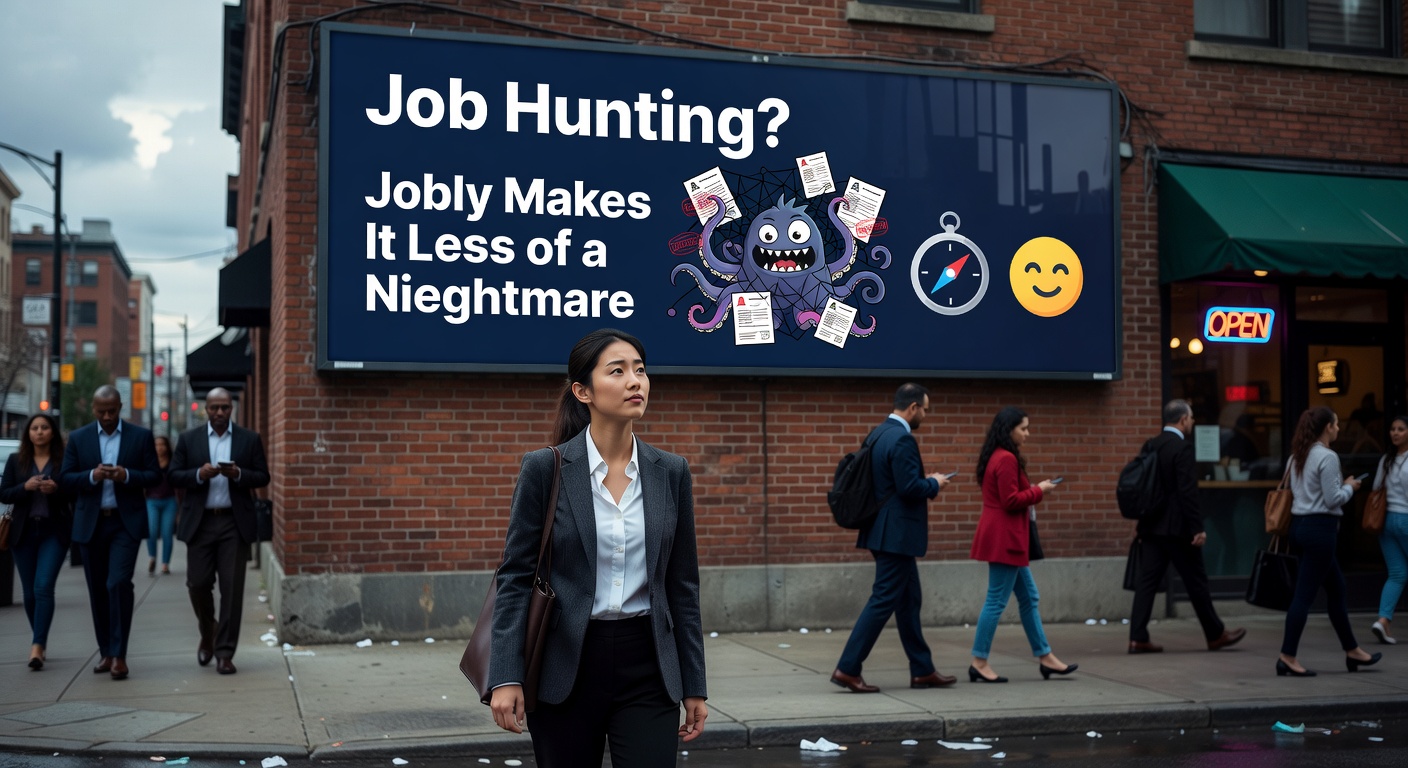
Where It Helps Most
The cover letter side is probably where Jobly saves the most time. Most people hate writing cover letters, partly because they feel repetitive and partly because the format is oddly rigid. Having a solid draft to edit is genuinely faster than writing from scratch, even if you end up changing most of it.
For resumes, the AI can help with phrasing — turning vague job descriptions into cleaner, more specific bullet points. That said, you still need to review everything carefully. AI-generated resume language can drift toward buzzwords if you're not paying attention, and a resume that sounds polished but generic won't stand out.
Honest Tradeoffs
Jobly speeds up the drafting process, but it doesn't replace knowing what a good resume looks like for your specific field. If you're in a creative industry, a technical role, or somewhere with unusual hiring norms, you'll need to do more editing than someone applying to a standard corporate position.
It's also worth being realistic: no tool fixes a weak application. If your experience doesn't match what a role needs, a better-formatted resume won't close that gap. Jobly is most useful when the raw material is there and the problem is presentation and time.
Who Gets the Most Out of It
People applying to multiple roles at once tend to benefit the most — the ability to quickly adapt documents for different positions is where the time savings add up. If you're sending out one carefully considered application every few weeks, the efficiency gain is smaller.
It's also a reasonable option if you're early in your career and genuinely unsure how to structure what you've done. Getting a competent draft to react to is often more useful than staring at a template.
If you already have a strong resume and a clear voice in your writing, Jobly might feel like more overhead than it's worth. In that case, you're probably not the target user.
For everyone else stuck in the document grind — Jobly is a practical way to move faster without starting from zero every time.
Comments
Leave a Comment